Published September 13, 2018
How Do You Prepare For A Hurricane?

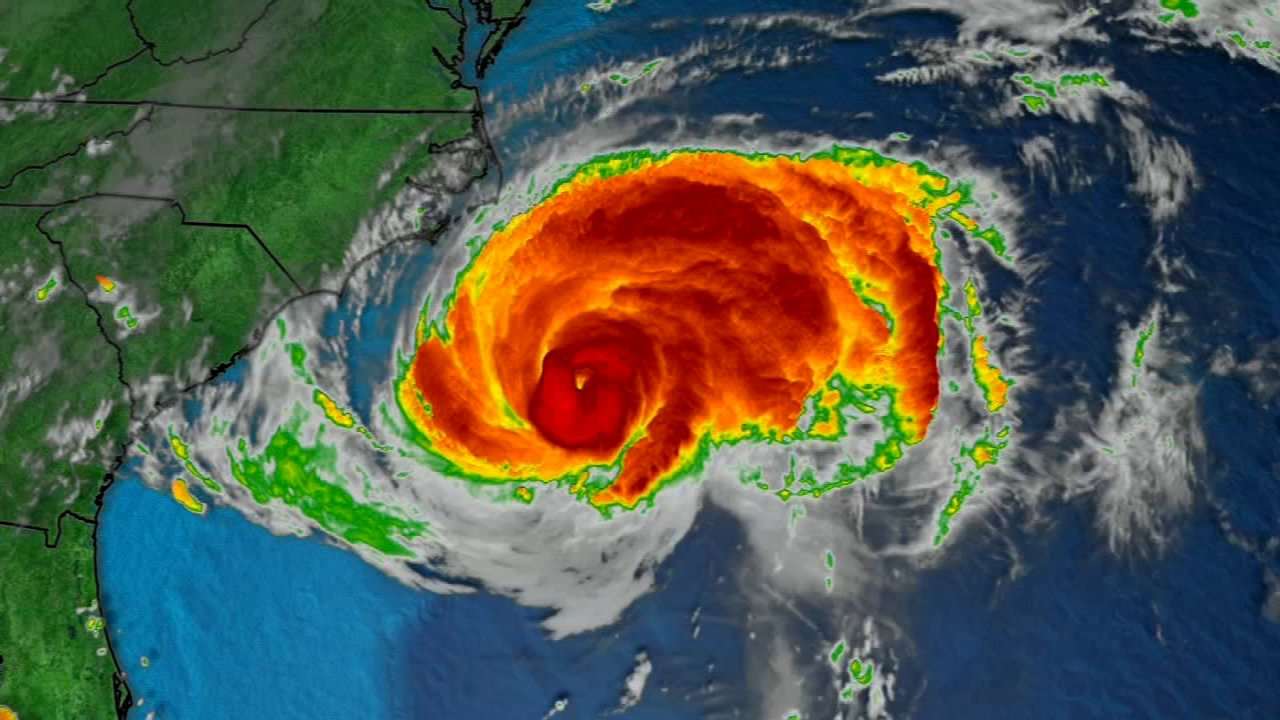
How do you prepare for a hurricane? Being part of the best real estate company in the world, I was able to fly to Texas last year with over 3000 other Keller Williams Realty agents across the county to help with the relief efforts coordinated by KW Cares. We headed to Houston, TX where hurricane Harvey wrecked havoc on that area. We went into the communities that were hit hard to help muck homes, deliver supplies and surround families with hope, love and a lot of laughter through the day. Even is horrible situations you can find time to be grateful and laugh. We were there to lend a helping hand in a time of desperate need. At this moment, KW Cares have already prepared for hurricane Florence who is heading towards NC and the southern east coast now. They have trucks loaded with supplies and are staying in constant communication with the regional leaders while closely monitoring the storm. They are ready and prepared to come help with the Hurricane Florence relief.

Being from the Vermont and Upstate New York area, we mainly worried about huge snow storms throughout the winter, this is really my first big hurricane since I've lived in North Carolina. I knew to get the essentials, water, batteries, baby wipes, rechargeable batter packs charged for phones, bread and non perishable items for my family should we lose power for a few days. We filled up all the cars with gas and made sure our generator was working and had extra gas on hand to keep it working should we lose power as they projected would happen in our area.
So, how do you prepare for the unknown damages that you are about to face? This is a great list that was shared by one of our local Keller Williams agents in the Cornelius, Lake Norman office (located near Charlotte, NC) yesterday. I thought it would be great to share here as well. This list should help you prepare for hurricanes as well as any other storm that comes our way here in NC and other areas across the US.
The best hurricane preparation list:
Things to do BEFORE the hurricane:
- Charge any device that provides light. Laptops, tablets, cameras, video cameras, and old phones. Old cell phones can still used for dialing 911. Charge external battery back ups.
- Wash all trash cans, big and small, and fill with water for flushing toilets. Line outdoor trash cans with trash bags, fill with water and store in the garage. Add bleach to sterilize.
- Fill every tub and sink with water. Cover sinks with Saran Wrap to keep it from collecting dust. Fill washing machine and leave lid up to store water.
- Fill old empty water bottles and other containers with water and keep near sinks for washing hands.
- Fill every Tupperware with water and store in freezer. These will help keep food cold longer and serve as a back up water supply.
- Fill drinking cups with water and cover with Saran Wrap. Store as many as possible in fridge. The rest you can store on the counter and use first before any water bottles are opened. Ice is impossible to find after the storm.
- Reserve fridge space for storing tap water and keep the sealed water bottles on the counter.
- Cook any meats in advance and other perishable foods. You can freeze cooked food. Hard boil eggs for snacks for first day without power.
- Be well hydrated before the storm hits and avoid salty foods that make you dehydrated.
- Wash all dirty clothes and bed sheets. Anything dirty will smell without the A/C, you may need the items, and with no A/C, you'll be sweating a lot. You're going to want clean sheets.
- Keep important documents (passports, deeds, insurance information) in a storm proof container in case of flooding.
- Back up important documents on your computers to an external hard drive and put in a secure storm proof container.
- Toss out any expiring food, clean cat litter boxes, empty all trash cans in the house, including bathrooms. Remove anything that will cause an odor when the A/C is off. If you don't have a trash day pickup before the storm, find a dumpster.
- Bring in any yard decor, secure anything that will fly around, secure gates, bring in hoses, potted plants, flags, etc. Bring in patio furniture and grills.
- Clean your environment so you have clear, easy escape routes. Even if that means temporarily moving furniture to one area.
- Scrub all bathrooms so you are starting with a clean odor free environment. Store water filled trash cans next to each toilet for flushing.
- Place everything you own that is important and necessary in a backpack or small file box that is easy to grab. Include your wallet with ID, phone, hand sanitizer, snacks, etc. Get plastic sleeves for important documents.
- Make sure you have cash on hand.
- Stock up on pet food and fill up bowls of water for pets.
- Refill any medications. Most insurance companies allow for 2 emergency refills per year.
- Fill your propane tanks. You can heat soup cans, boil water, make coffee, and other stuff besides just grilling meat. Get an extra, if possible.
- Drop your A/C in advance and lower temperatures in your fridges.
- Gather all candles, flashlights, lighters, matches, batteries, and other items and keep them accessible.
- Clean all counters in advance. Start with a clean surface. Buy Clorox Wipes for cleaning when there is no power. Mop your floors and vacuum. If power is out for 10 days, you'll have to live in the mess you started with.
- Pick your emergency safe place such as a closet under the stairs. Store the items you'll need in that location for the brunt of the storm. Make a hand fan for when the power is out.
- Shower just before the storm is scheduled to hit.
- Fill bathtubs and sinks with water to ensure you have enough to flush the toilet
- Keep baby wipes next to each toilet. Don't flush them. It's not the time to risk clogging your toilet!
- Run your dishwasher, don't risk having dirty smelly dishes and you need every container for water! Remember you'll need clean water for brushing your teeth, washing yourself, and cleaning your hands.
- Put a small suitcase in your car in case you decide to evacuate. Also put at least one jug of water in your car. It will still be there if you don't evacuate! You don't need to store all water in the house. Remember to pack for pets as well.
- Check on all family members, set up emergency back up plans, and check on elderly neighbors.
- Remember, pets are family too. Take them with you!
- Before the storm, unplug all electronics. There will be power surges during and after the storm.
- Gas up your car and have a spare gas container for your generator or your car when you run out.
- If you can, take a video of your house and contents....walk room to room--open cabinets/drawers and closets. This will help if you need to make a claim later. It will show proof of items and help you list all the items (help your memory, so you don't forget anything)...I highly recommend!!!
- I also heard you should freeze a cup of water, place a coin on top after it is frozen...keep this in your freezer to help you gauge the temperature if the power goes out. If the coin stays on top, the food is staying frozen. If the coin falls into the water, the freezer thawed out and most food will likely need to be thrown away. This is super helpful is you have to leave and come back, as it may appear everything is still frozen, but if the coin is in the cup--you will know!!
- Anything that you want to try and preserve, but you can't take with you---place it in a plastic bin and put in your dishwasher, lock the door---this should make it water tight in case of any water intrusion into your home. But of course, take all the important/irreplaceable items you can!!
- Download an application to your smartphone that can notify people where you are, and if you need help or are safe. The Red Cross has a Hurricane App available in the Apple App Store and the Google Play Store as well as a shelter finder app. A first aid app is also available.
- Bring outside items in if they could be picked up by the wind.
- Clear gutters of debris.
- Reinforce the garage door.
- Get a full tank of gas in one car.
- Go over the evacuation plan with the family, and learn alternate routes to safety.
- Learn the location of the nearest shelter or nearest pet-friendly shelter.
- Put an ax in your attic in case of severe flooding.
- Evacuate if ordered and stick to marked evacuation routes if possible.
- Unplug small appliances and electronics before you leave.
- If possible, turn off the electricity, gas and water for the residence. List of supplies
- A three-day supply of water, one gallon per person per day
- Three days of food, with suggested items including: canned meats, canned or dried fruits, canned vegetables, canned juice, peanut butter, jelly, salt-free crackers, energy/protein bars, trail mix/nuts, dry cereal, cookies or other comfort food
- A can opener
- Flashlight(s)
- A battery-powered radio, preferably a weather radio -- Extra batteries (D batteries for most flashlights)
- A first aid kit, including latex gloves; sterile dressings; soap/cleaning agent; antibiotic ointment; burn ointment; adhesive bandages in small, medium and large sizes; eye wash; a thermometer; aspirin/pain reliever; anti-diarrhea tablets; antacids; laxatives; small scissors; tweezers; petroleum jelly
- A small fire extinguisher
- Whistles for each person
- A seven-day supply of medications
- Vitamins
- A multipurpose tool, with pliers and a screwdriver
- Cell phones and chargers
- Contact information for the family
- A sleeping bag for each person
- Extra cash
- A silver foil emergency blanket
- A map of the area
- Baby supplies (get extra baby formula and diapers)
- Pet supplies
- Wet wipes
- A camera (to document storm damage)
- Insect repellent
- Rain gear
- Tools and supplies for securing your home
- Plastic sheeting
- Duct tape
- Dust masks
- An extra set of house keys
- An extra set of car keys
- An emergency ladder to evacuate the second floor
- Household bleach
- Paper cups, plates and paper towels
- Activities for children
- Charcoal and matches, if you have a portable grill. But only use it outside
- What to do for your clients, friends and family members --Share these lists with the people you care about
What to do if you are evacuating:
- Take the advice of local authorities. Evacuate if ordered, it's better to be safe and out of the area. A house can be rebuilt, but a life can not be replaced.
- Unplug all appliances, TV's and computers and anything plugged in that is using extra energy before leaving your home.
- If possible, move important items to a higher floor or surface such as a counter or shelf to protect expensive equipment from flooding.
- Remove fuses from the air conditioning system to prevent damage.
- Turn off water (emergency water shut off valve) to prevent flooding from broken pipes.
- Turn off gas to prevent leaks from occurring.
- Ensure your car is in good running condition and has a full tank of gas, extra emergency supplies and a couple days worth of clothes.
- Determine escape routes from your home and a nearby place to meet with loved ones.
- Take your pets with you.
- Grab important documents and other items of value if you have time.
- Grab water and snacks for you and your family should you get stuck in traffic.
What to do AFTER the storm arrives:
- Continue listening to a NOAA Weather Radio or the local news for the latest updates.
- Stay alert for extended rainfall and subsequent flooding even after the hurricane or tropical storm has ended.
- Use the Facebook Safety Check to let family and friends know you're safe. (if you have wifi)
- If you evacuated, return home only when officials say it is safe.
- Drive only if necessary and avoid flooded roads and washed out bridges.
- Keep away from lose or dangling power lines and report them immediately to the power company.
- Stay out of any building that has water around it.
- Inspect your home for damage. Take pictures of damage, both of the building and its contents, for insurance purposes.
- Use flashlights in the dark. Do NOT use candles.
- Avoid drinking or preparing food with tap water until you are sure it's not contaminated.
- Check refrigerated food for spoilage. If in doubt, throw it out.
- Wear protective clothing and be cautious when cleaning up to avoid injury.
- Watch animals closely and keep them under your direct control.
- Use the telephone only for emergency calls
- If flooding or water damaged occurred, begin cleaning up and repairs as soon as possible to avoid mold and be sure to wear protective gear. Use a mask or bandanna to cover your nose and mouth.
- Be careful and avoid downed, damaged or loose power lines.
- Do not drive on flooded roads 6-12 inches of rain could flood your car and leave it immobile causing other safety concerns.
- Do not swim in the water they can contain harmful contaminates and hide dangerous debris, it's better to be avoid the flooded areas if possible.
- Lend a helping hand to neighbors and family when you can.
When natural disasters hit our country we see everyone uniting and coming together to help each other out. Reach out to FEMA, Red Cross, Salvation Army, local church organizations and if you're a KW agent you can reach out to KW Cares too. Stay safe and continue to pray.


Katrina Rockel
| The Rockel Group
or another way